Contribution Rates and Their Influence on Roulette Decisions Across Licensed British Platforms
Greta Krause · Nov 1, 2026
Contribution Rates and Their Influence on Roulette Decisions Across Licensed British Platforms
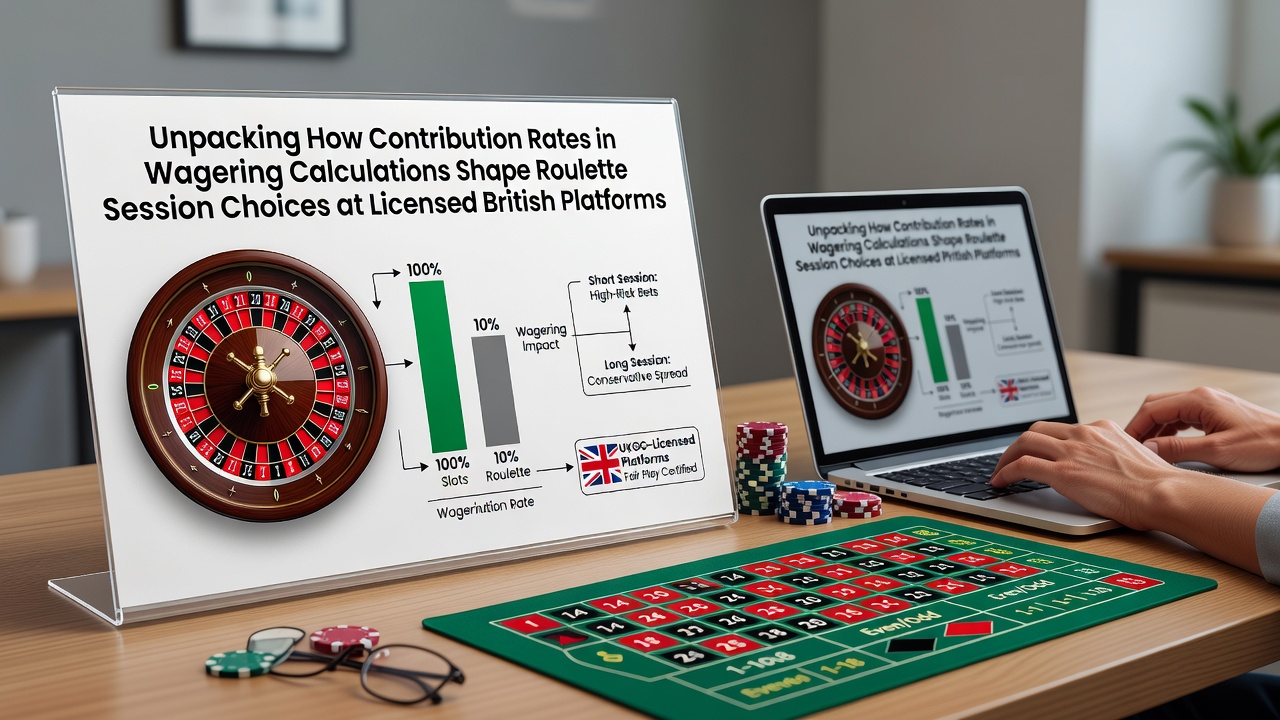
Contribution rates determine how much each game counts toward clearing wagering requirements on bonus funds at licensed British platforms, and roulette typically registers at lower percentages than slots or other titles, which directly affects how players structure their sessions. Operators set these rates according to internal risk models and regulatory guidelines, so roulette might contribute only 20 percent or less while slots reach 100 percent in many cases. Those who study player behavior note that this disparity leads to measurable shifts in session length and game selection when bonuses are active.
Defining Contribution Rates in Wagering Calculations
Contribution rates form the percentage of each wager that counts toward fulfilling bonus playthrough conditions, and licensed operators publish these figures in their terms to maintain transparency. A player depositing with a match bonus must therefore generate enough eligible wagers before withdrawing winnings, yet roulette bets often advance the requirement at a reduced rate compared with video slots or instant-win games. Data from industry reports show that this structure encourages some users to interleave roulette with higher-contribution titles to balance progress adn entertainment value.
Session Length Adjustments Observed on British Sites
Players frequently extend or shorten roulette sessions once they factor contribution rates into their plans, because low-percentage games slow the pace at which bonuses clear. One study of European online gambling patterns revealed that sessions involving roulette as the primary activity lasted 15 to 25 percent longer when contribution rates sat below 30 percent, since participants added extra spins to meet targets. Licensed British platforms display these rates clearly in account dashboards, allowing users to calculate expected session volume before committing funds.
Game Mix Strategies in Practice
Many account holders combine roulette with higher-contribution games within the same session to accelerate requirement fulfillment while still enjoying the wheel, and platform analytics indicate that such mixed approaches appear in roughly 40 percent of bonus-related play. Roulette's lower contribution therefore functions as a pacing mechanism rather than a barrier, prompting players to allocate specific portions of their bankroll to slots or table games first. Observers note that this layering occurs more often during promotional periods when bonus funds represent a larger share of total balance.
Platform Transparency Requirements and Player Tools
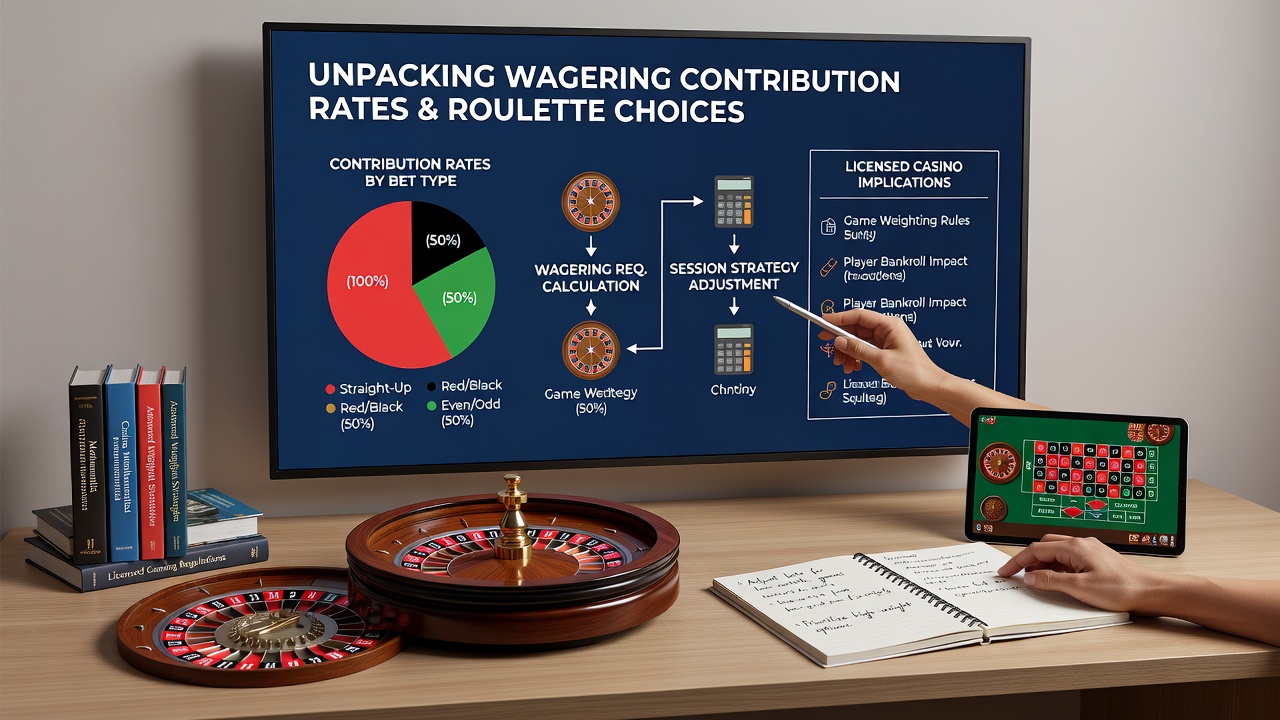
Licensed operators must present contribution tables in accessible formats, and several British platforms now include interactive calculators that estimate remaining wagering volume based on chosen games. These tools update in real time as users switch between roulette and other titles, which reduces uncertainty around session planning. Figures released in late 2026 by international gaming research groups show increased usage of such calculators on mobile interfaces, particularly during November when promotional activity traditionally rises ahead of the holiday period.
Regional Comparisons and Industry Benchmarks
Across different licensing jurisdictions, contribution rates for roulette vary, yet British platforms tend to align with broader European standards that place the game between 10 and 25 percent. A report issued by the American Gaming Association highlighted similar patterns in regulated markets, where operators adjust rates to manage liability while preserving player engagement. Another analysis from the Canadian Centre for Gaming Research found that transparent rate disclosure correlates with steadier session volumes rather than abrupt changes in game preference.
November 2026 Trends in British Roulette Activity
Platform data collected through November 2026 indicate that roulette participation on licensed British sites remained consistent even as contribution awareness grew, suggesting players adapt rather than abandon the game. Sessions incorporating roulette alongside higher-contribution options showed stable average durations, while pure roulette play exhibited modest increases in spin count per bonus cycle. Industry organizations tracking these metrics report that educational pop-ups and in-game reminders about contribution rates appear more frequently during peak promotional months.
Conclusion
Contribution rates embedded in wagering calculations continue to guide how players allocate time and funds across roulette and complementary games on licensed British platforms. Clear disclosure combined with calculation tools supports informed session choices without restricting access to preferred titles. Ongoing monitoring by research bodies and operators will likely refine these structures further as player data accumulates through 2027 and beyond.