How Bonus Contributions Function and Clearance Timelines Differ Across Licensed Wheel Games
Greta Krause · Sep 20, 2026
How Bonus Contributions Function and Clearance Timelines Differ Across Licensed Wheel Games
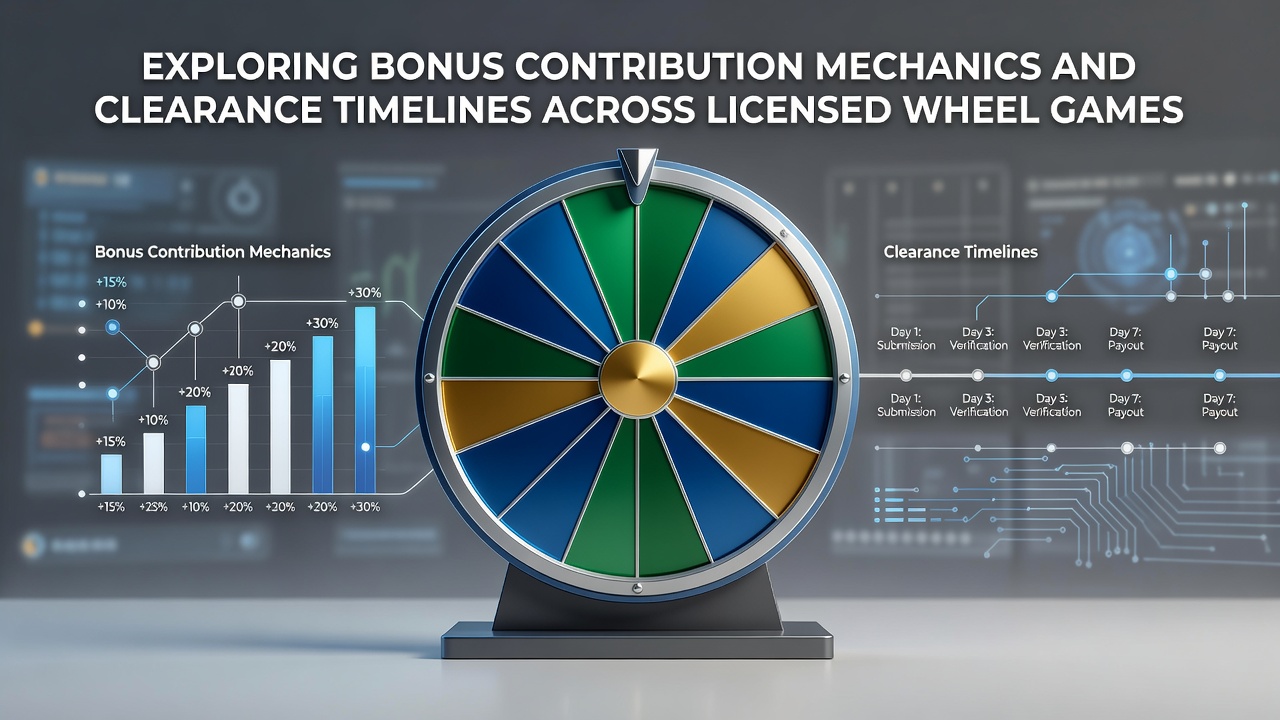
Bonus contribution mechanics determine how much each wager on licensed wheel games counts toward clearing wagering requirements, and operators set these rates based on game volatility and house edge calculations. Wheel games such as roulette variants carry lower contribution percentages than slots in most regulated markets because their lower house edges reduce operator risk exposure during bonus play. Regulators require transparent disclosure of these rates so players understand exactly how much play is needed before withdrawals become available.
Core Mechanics of Bonus Contributions in Wheel Games
Contribution rates typically range from 5 to 20 percent for standard roulette bets in licensed environments, while inside bets on single numbers may contribute even less due to higher variance. Operators calculate these percentages using mathematical models that factor in expected return-to-player values, and they adjust rates when new wheel variants appear on the platform. Data from the Victorian Commission for Gambling and Liquor Regulation shows that contribution structures remain consistent across multiple Australian states because uniform rules help maintain player trust in the system.
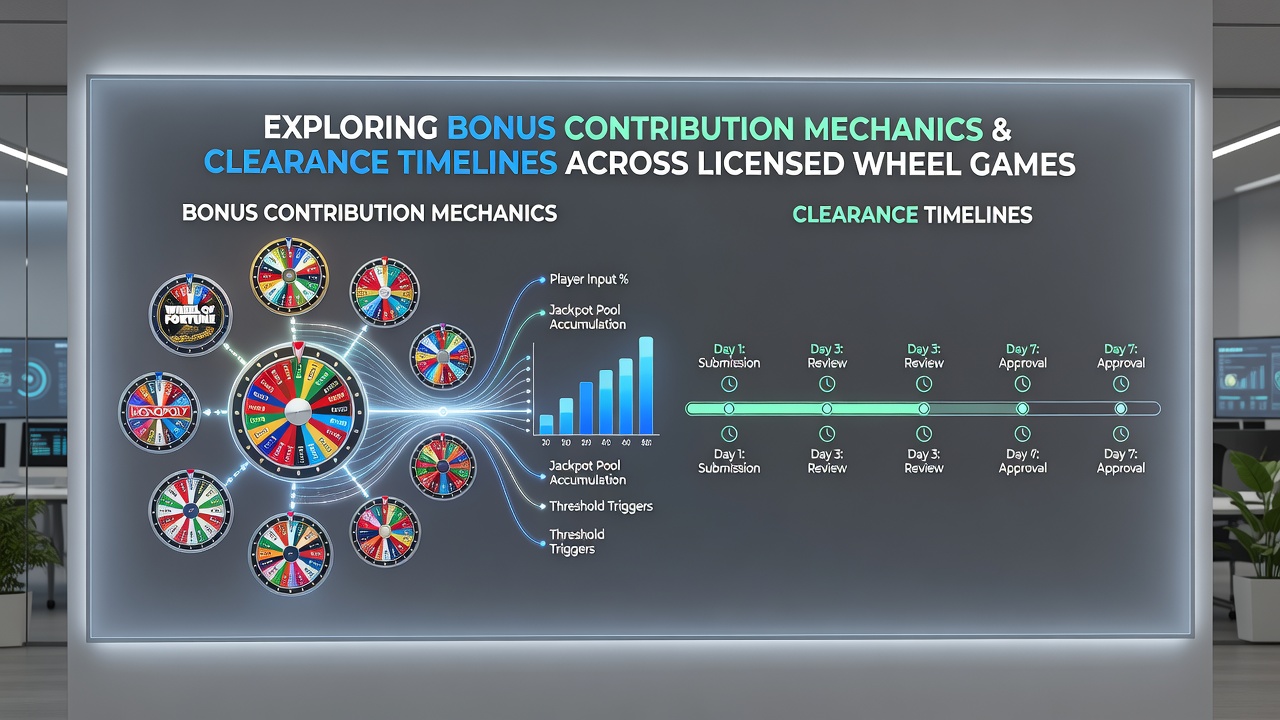
Some platforms apply tiered contribution models where live dealer wheel games receive higher weighting than automated versions, and this distinction arises because live environments involve higher operational costs. Those who review terms across multiple sites often notice that progressive jackpot wheels receive zero contribution in many cases since the potential payouts exceed standard bonus values by significant margins. Clearance timelines start the moment a player accepts a bonus, and most jurisdictions enforce a standard 30-day window for completing requirements before any remaining funds expire.
Clearance Timelines and Jurisdictional Variations
Clearance periods vary by regulatory framework, with European markets commonly allowing 30 to 60 days while certain North American state frameworks extend timelines up to 90 days for high-value bonuses. In September 2026 regulatory updates in several Canadian provinces introduced standardized reporting that requires operators to display remaining days clearly within player accounts, and this change stemmed from player feedback about hidden expiration dates. Shorter timelines force quicker decisions on bet sizing, whereas longer windows permit more measured approaches that align with individual bankroll management strategies.
Multiple bets on even-money wheel outcomes accelerate clearance because each wager contributes steadily toward the total requirement, yet operators cap maximum bet sizes during bonus play to prevent rapid depletion of funds. Research from the New Jersey Division of Gaming Enforcement indicates that average clearance times for wheel game bonuses sit around 18 days when players use optimal bet patterns, although individual results fluctuate based on starting bonus amounts and chosen contribution rates.
Practical Examples Across Regulated Markets
One operator in Ontario adjusted its roulette contribution rate from 10 percent to 15 percent after internal audits revealed that bonus funds were being cleared too quickly on low-volatility outside bets. Another platform in Victoria introduced segmented timelines that grant extra days for players who reach 50 percent of requirements within the first two weeks, and this structure encourages continued engagement without extending overall deadlines. Observers note that such adjustments reflect ongoing efforts to balance player retention with responsible gaming obligations across different regulatory bodies.
Wheel games with multiple betting options create complexity because operators must assign different weights to inside versus outside wagers, and players who spread bets across categories sometimes find their effective contribution rate lower than expected. Industry reports compiled by the American Gaming Association highlight that clear communication of these weighted systems reduces disputes and improves overall compliance scores for licensed operators. Extended timelines in certain markets allow room for seasonal promotions that stack additional bonuses, yet each layer still follows the same core contribution rules established at the initial acceptance stage.
Conclusion
Bonus contribution mechanics and clearance timelines in licensed wheel games operate through standardized yet flexible frameworks that reflect both mathematical realities and regulatory priorities across regions. Operators publish detailed breakdowns so participants can calculate progress accurately, and these disclosures support fair play while maintaining platform sustainability. As markets evolve, adjustments to rates and deadlines continue to appear in response to new game formats and updated compliance standards, ensuring the system remains transparent for everyone involved.